Sara Brennan (288)
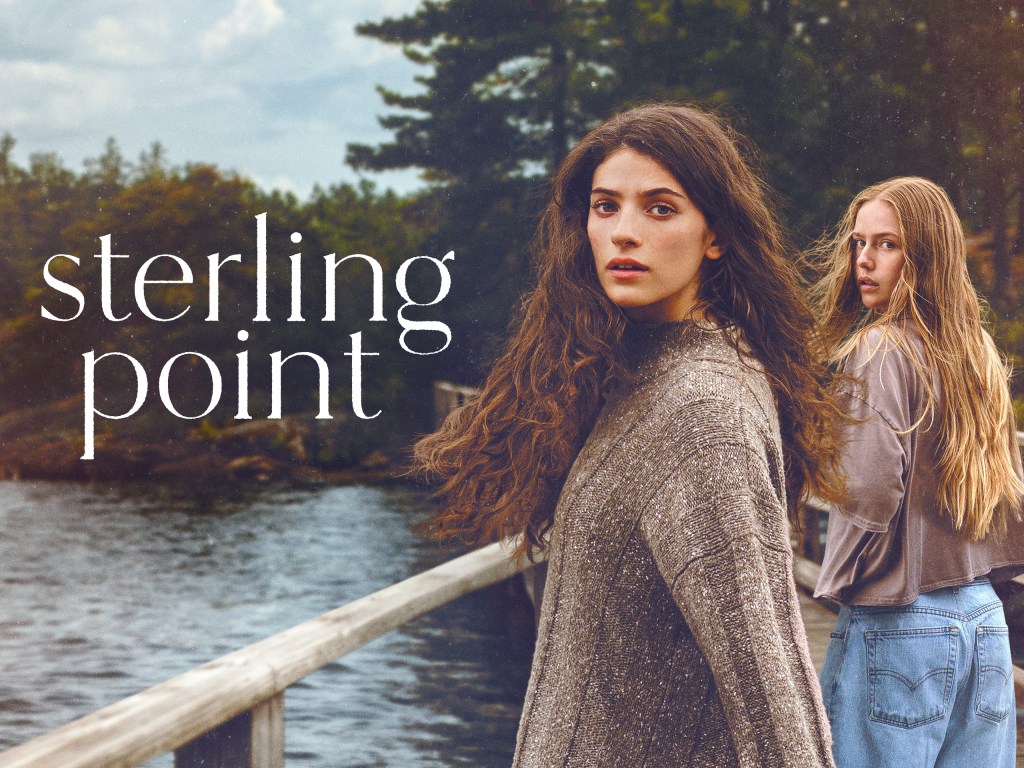
From seaside escapes to the cozy shores of Ontario’s cottage country and collegiate campuses, young adult television has taken viewers on a whirlwind of idyllic scenic locations. But through the winding roads and vast lakes of Muskoka’s cottage country, Prime Video’s Sterling Point managed to do something far rarer than just a beautiful backdrop; it captured the voice and authenticity of an entire generation.
Following 17-year-old Annie Jacobson, who discovers that she and her twin brother Connor have inherited a remote Canadian island from their estranged grandfather, Sterling Point starts out as a journey to uncover her family history, but quickly turns into a story about adoption, identity, and siblinghood. Here, we meet a cast of lovable Gen Z characters: Ramona, who inherited the other piece of the island and is also the twins’ long-lost sister; Ellis and Rory, who act as Annie’s love interests; and Oona, Ramona’s best friend turned girlfriend.
For years, young adult (YA) television has relied on the chaos of the toxic love triangle. Shows like The Summer I Turned Pretty, My Life with the Walter Boys, and Ginny and Georgia have conditioned audiences to expect the main character to be torn between two potential love interests, the red-flag “bad boy” and the kind and sensitive underdog. What makes Sterling Point so unique, however, is that neither of Annie’s love interests fit this stereotype. There’s Rory, the rich, preppy boy from New York who represents Annie’s old life, and Ellis, the son of a local marina owner. Neither boy fits the typical ‘bad boy’ trope; instead, both care for Annie and genuinely want what’s best for her. Long story short, both are good options for Annie, a trait not commonly found in similar YA Dramas.
Beyond subverting romantic tropes, the show also captures how well-versed Gen Z is in “mental health language.” One of the funniest running jokes belongs to Maple, Oona’s precocious younger sister. Her reading material includes heavy psychology books such as The Body Keeps the Score. She takes said book hilariously literally, and when asked, she explains that she needs to find out what the score is and where in the body it is being kept. In another scene, Connor barely hesitates after hearing about Oona’s dating history. He quickly suggests that she may be “avoidantly attached. This sudden statement reveals just how normalized complex psychological ideas are in the world of Gen Z. What was once confined to doctors’ offices and textbooks is now working its way through social media, books, podcasts, and everyday conversations.
The dialogue in Sterling Point relies on improv, slang, and its young writers. Creator Megan Park (a millennial) intentionally leaned on her young cast and writers to check dialogue, wardrobe choices, and social dynamics for genuine Gen Z authenticity. Her approach led to a show that felt real. Prior to Sterling Point, Park made her directorial debut with The Fallout, a 2021 coming-of-age movie centered around the aftermath of a school shooting. She followed it up with the 2024 film My Old Ass, a movie about a college freshman who meets an older version of herself. These movies explore similar themes of romance, adulthood, navigating friendships, parental relationships, and major life transitions. Similar to Sterling Point, they seem to truly understand what it means to be a young adult in the present day.
By combining genuine dialogue, subverted tropes, and fluent self-awareness, Sterling Point sets a new, higher standard for young adult television. It proves that accurately portraying Gen Z requires reflecting who they actually are, instead of relying on tired drama and stereotypes.