
Kyle Lin (283) and Angela Li (283)
Although the Israel-Hamas conflict is happening thousands of miles away, with battles largely unseen by people at home, its effects have reverberated throughout the world, even into our lives at Central. Both Jewish people and Muslims, whether they’re students, staff members, or graduates, have lived with a sense of perpetual fear with the rise of antisemitism and Islamophobia. These issues have escalated to violence throughout the world, occurring in religious centers and even on campuses. Particularly for students, the situation feels increasingly “hopeless,” and there’s a “lot of anger and a lot of fear” surrounding the issue. The tension and rising violence lead to people feeling “attacked,” said a 283 member of the Jewish Student Union (JSU). Many students, particularly those who are directly affected by the conflict, witness the emotional toll on their friends, family, and even themselves but feel “helpless in the situation because it’s not something you can fix. It’s a sense of slow creeping anxiety” that forces them to grit their teeth and “just keep moving forward,” despite the distinct impact on their emotional health (Zainab Ansari, 284). Members of the Central community, feel the need to be more “careful with what they say,” and are more mindful of who they talk to, in order to protect themselves (Hadassah Weinmartin, 283). People with connections to the conflict feel as if “the world moves on around [them] and [they’re] stuck in it” (Mr.Satlow, Social Studies Teacher), especially when entering spaces where the conflict isn’t the focal point of others. In a sense, watching life move on at Central has been difficult for many of them. Central Graduate Natan Yakov (275) shared the feeling of being “stuck” as he finds himself, like many students at Central, thinking of his family in Israel or those he knew caught within the war zones. He talked about hearing the blaring air raid sirens and the booming of rockets that “shook buildings almost as if the Earth itself was shaking” when he was in Israel at the outset of the war.
Despite the emotional and spiritual toll taken on members of the Central community, the people most affected all acknowledge that the fighting in Israel is reflected in the battle of misinformation regarding the conflict. Both Jewish and Muslim individuals alike agree that they “don’t need empathy; [they] just need people to agree on what happened…on the facts” (Mr. Satlow). Many of our peers and community members of Central have seen their friends and family fall victim to misinformation, even losing close connections as a result of misinformation. Those most affected urge people to move past viewing the war as a “one-sided conflict…it’s a multi-sided conflict that’s been brewing for generations, it isn’t just another flare in tensions either” and it most certainly can’t be simplified in a simple right or wrong narrative (Mr.Satlow). A JSU member notes that people are becoming more and more radical as the conflict drags on, with people choosing sides, especially people“ further away from an issue [have] more radical opinions,” largely due to disinformation (Member of JSU, 283). Social media, in particular, is playing a destructive role with more opinions than verified facts circling the internet, even major news outlets whether intentionally or not, occasionally spread false information due to the nature of the conflict. Thus, there needs to be an emphasis on “educating yourself by doing your own research” while still taking everything read with a grain of salt (Nabilah Jerin, 283). It’s equally important to realize the sheer scale of suffering on both sides of the conflict; Zainab Ansari (284) solemnly stated that the “media devalues the life of people” as deaths and injuries becoming cold numbers. It’s a widely shared sentiment as people fail to recognize the “suffering and humanitarian crisis” that is occurring as a result of the war (Nabilah Jerin, 283). It becomes easy to dismiss with misinformation, but the stories of survivors on both sides are real, powerful, and deserve to be heard as “truth comes out through stories” (Natan Yakov, 275).
“Central is a microcosm of the world; it’s THE place to be holding hard conversations. Now is the time to ask questions, not once but many times” (Natan Yakov, 275). Certainly, there exists “fair reason[s] to be afraid” (Mr. Satlow), and in fact “many have their guard up as they understand this is a sensitive topic” (Mr. Graham) but those most affected urge individuals to have faith in our community at Central. JSU, the Muslim Student Association (MSA), Mr.Satlow, and even individual teachers encourage students to reach out to hold open and honest conversations that will serve as a bastion against misinformation while providing a sense of comfort for everyone. Now is the time to ask your fellow peers, regardless of age or occupation, how they’re doing. Now is the time to “live with an open heart, with love, not hatred because fear only wins when we lose faith in ourselves to be stronger than it” (Natan Yakov, 275).
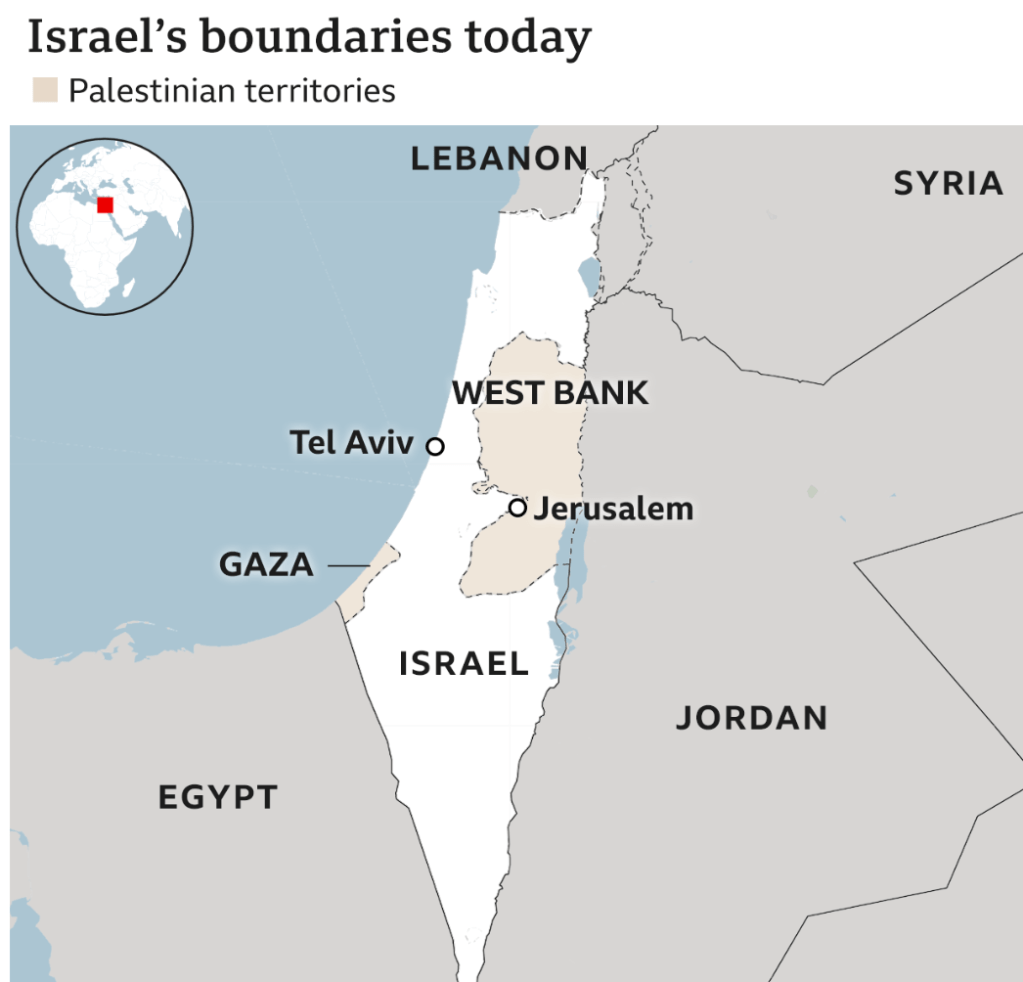
PCC: BBC News



 Centralizer