
Amy Liao (283)
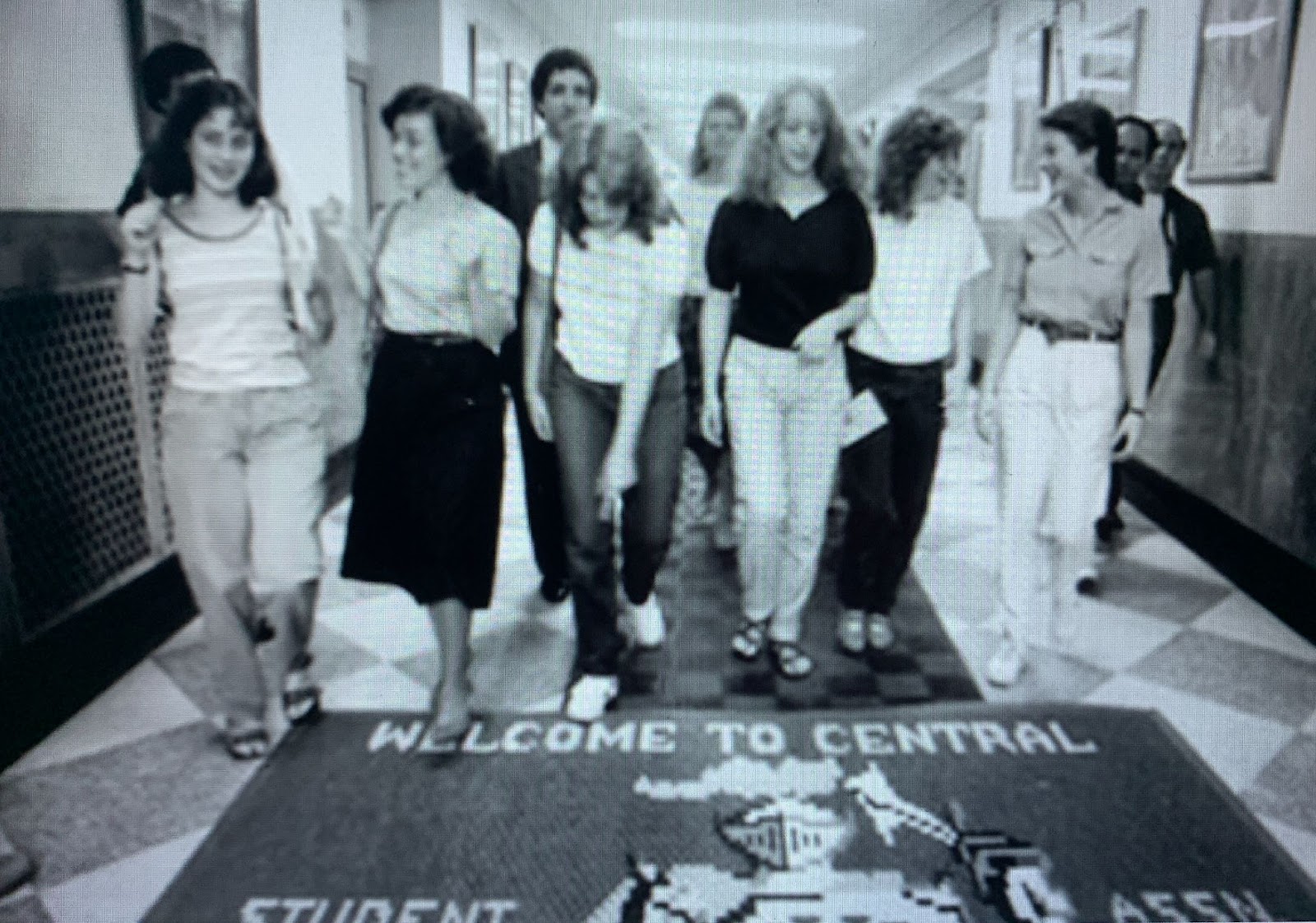
Four decades ago, on September 13th, 1983, Central High School admitted six female students for the first time in its 147 year old history. Before the pivotal change, Central was revered for being an all-male, tradition-steeped school since 1836. The lengthy battle for co-education was the start of a new era at the school, one that would ultimately pave the way for what Central is today.
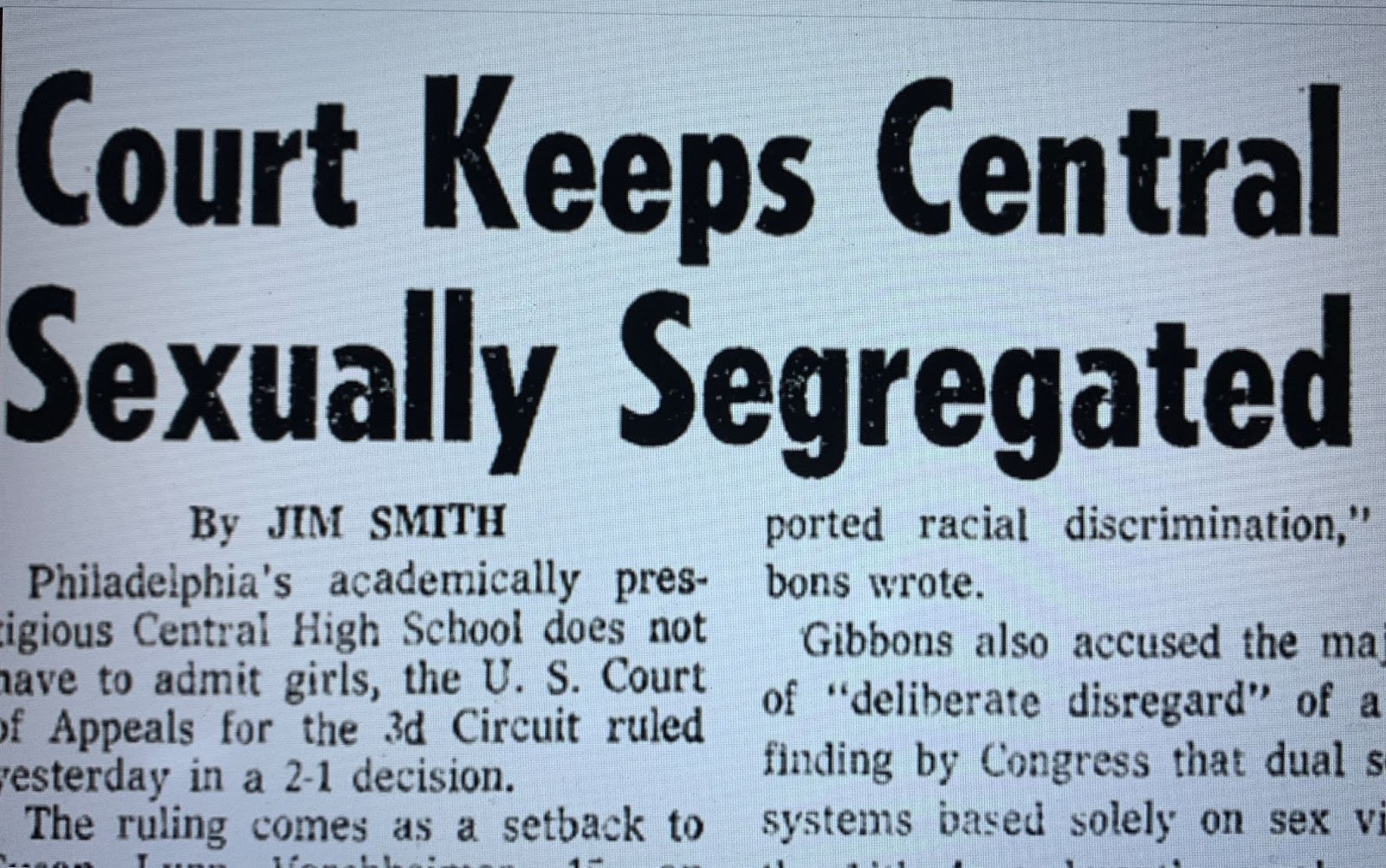
Central’s all-male policy was first challenged by Susan Vorchheimer, a then ninth-grade student at Julia R. Masterman Junior High School, looking to apply to senior high schools in the 1973 to 1974 school year. After visiting a number of schools, Vorchheimer felt instantly drawn to Central. Her father submitted an application for admission in which all academic requirements were met, yet she was turned down solely on account of her sex.
After being denied admission, Vorchheimer went to court and ended up winning. U.S. District Court Judge Clarence C. Newcomer ruled that Central must admit Vorchheimer and all qualified girls starting in the fall of 1975. However, the decision ended up being appealed by The Philadelphia Board of Education. In 1977, the case eventually reached the U.S. Supreme Court which upheld the verdict by a four to four vote with one abstention on the issue. Thus, the case disintegrated and the all-male tradition stood.
In a 2011 documentary by Darlene Craviatto titled No Girls Allowed, Vorchheimer would later recall the amount of hate messages from students, alumni, and Philadelphians alike. She stated “I didn’t realize what we were up against. I wanted to go to Central not because I wanted a court case but because I liked the school…. Didn’t think it’d turn out to be such a big deal.”
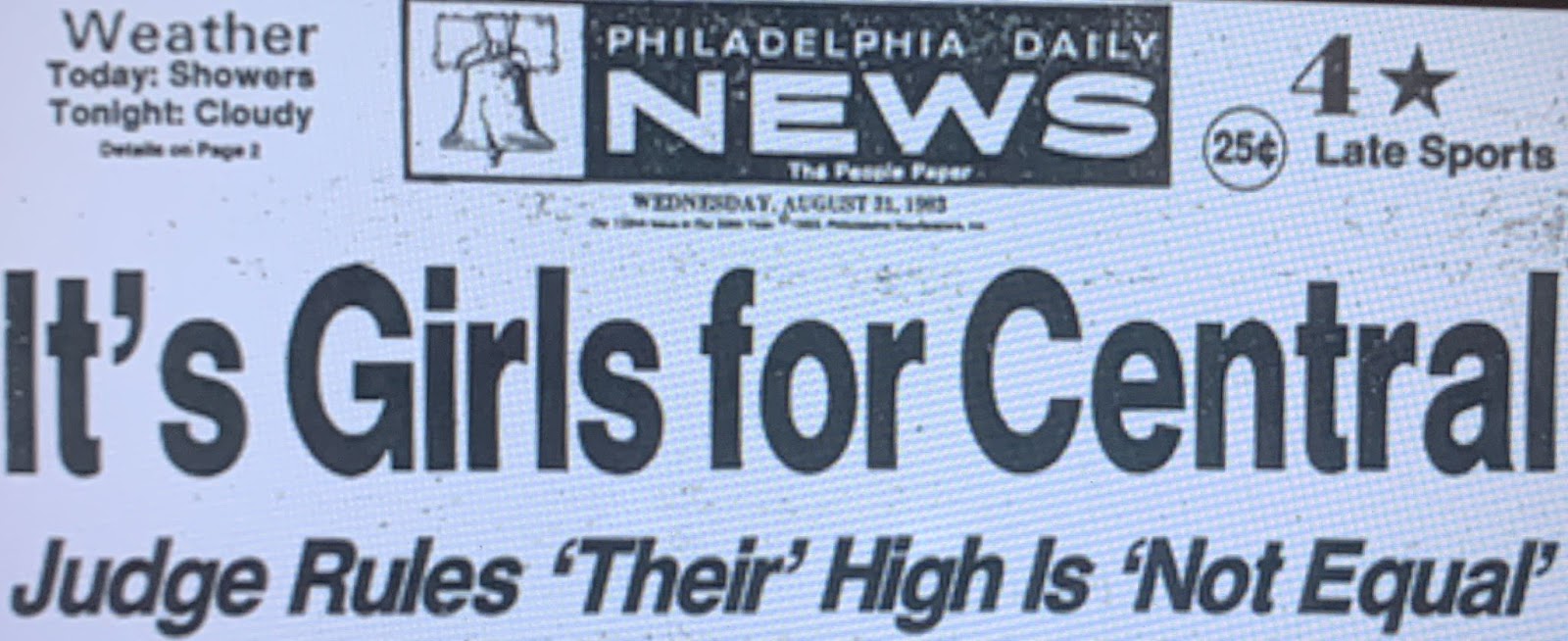
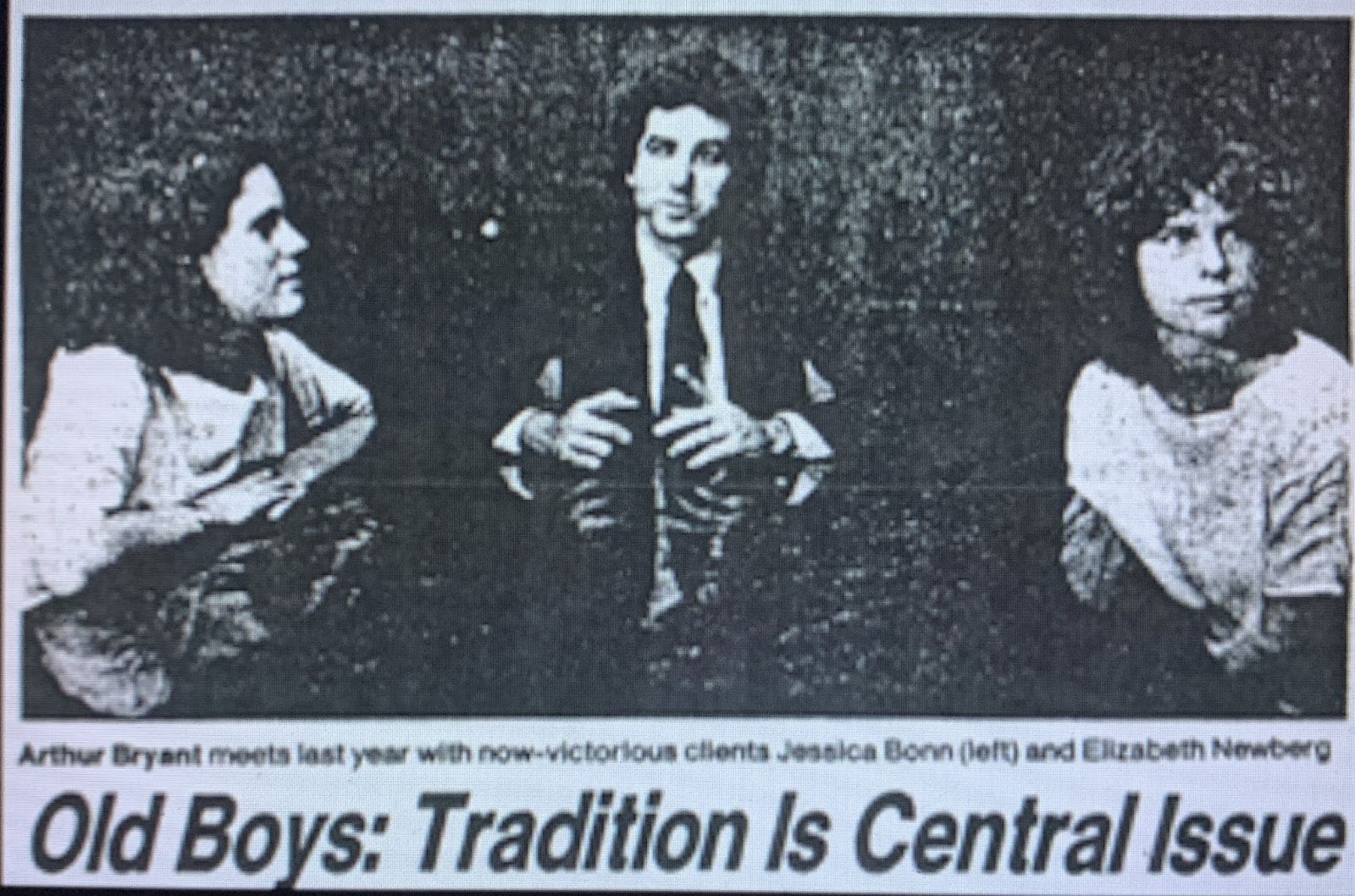
Five years later, Central’s gender segregation would be challenged once again — and this time, it would take more than one girl to become successful. In 1982, three students at the Philadelphia High School for Girls, Elizabeth Newberg, Pauline King, and Jessica Bonn applied to Central and were of course denied. A lawsuit was then put forth by the three of them.
Unlike the Vorchheimer case, this lawsuit was centered around the inequalities of education between Central and Girls High. Though those opposed to the lawsuit claimed Girls High was Central’s academic equal, the court entourage arranged for a first-hand tour of the two schools to compare. They concluded that Central had a larger campus and library, faculty with three times as many PhDs, higher test scores, and offered more courses not available at Girls High, among other comparisons.
The 1983 lawsuit also had another notable advantage: all of the Common Pleas Court Judges in the city were Central graduates who favored protecting the tradition of the school except for Judge William Marutani, who just happened to be the judge adjudicating this particular case.
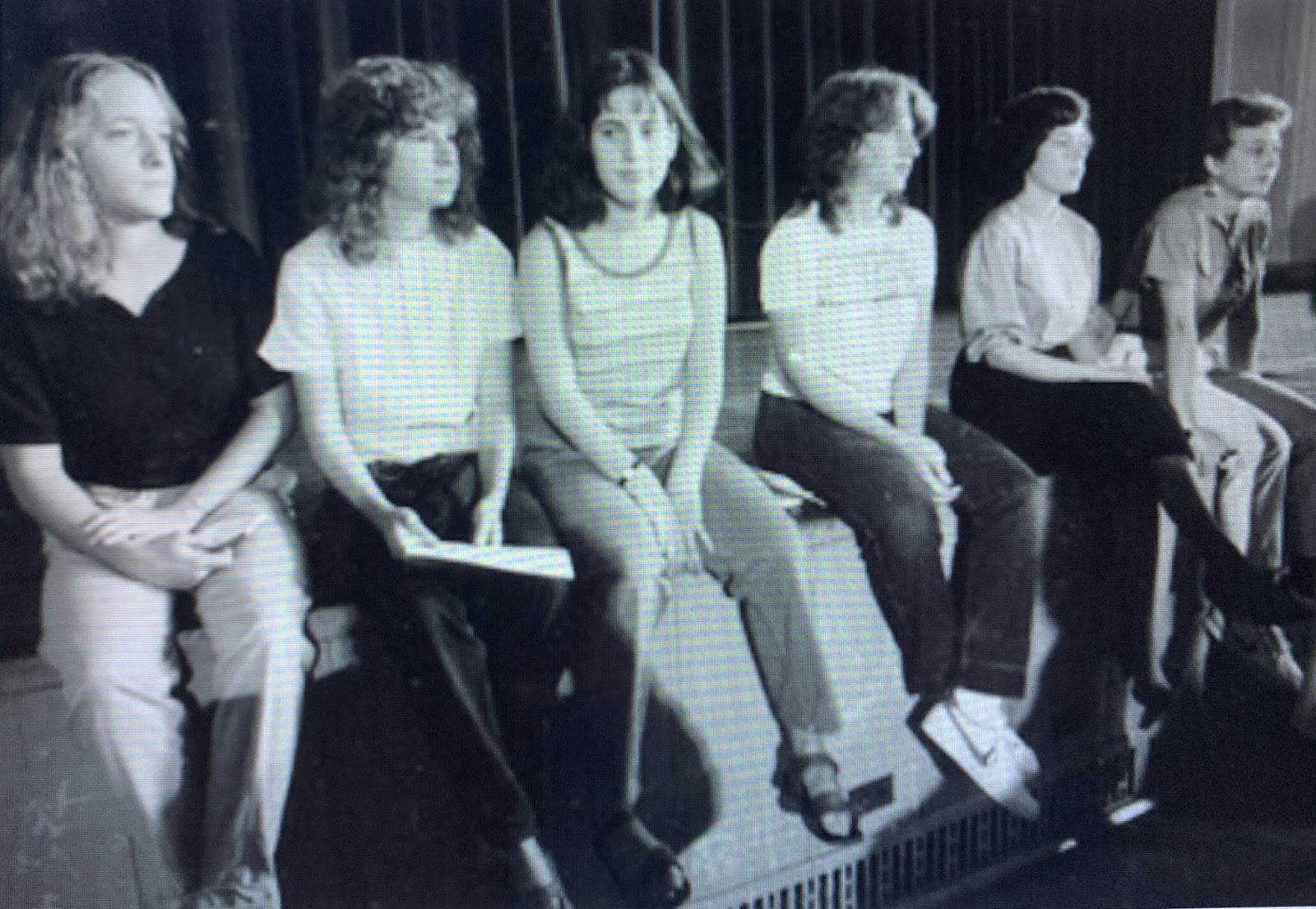
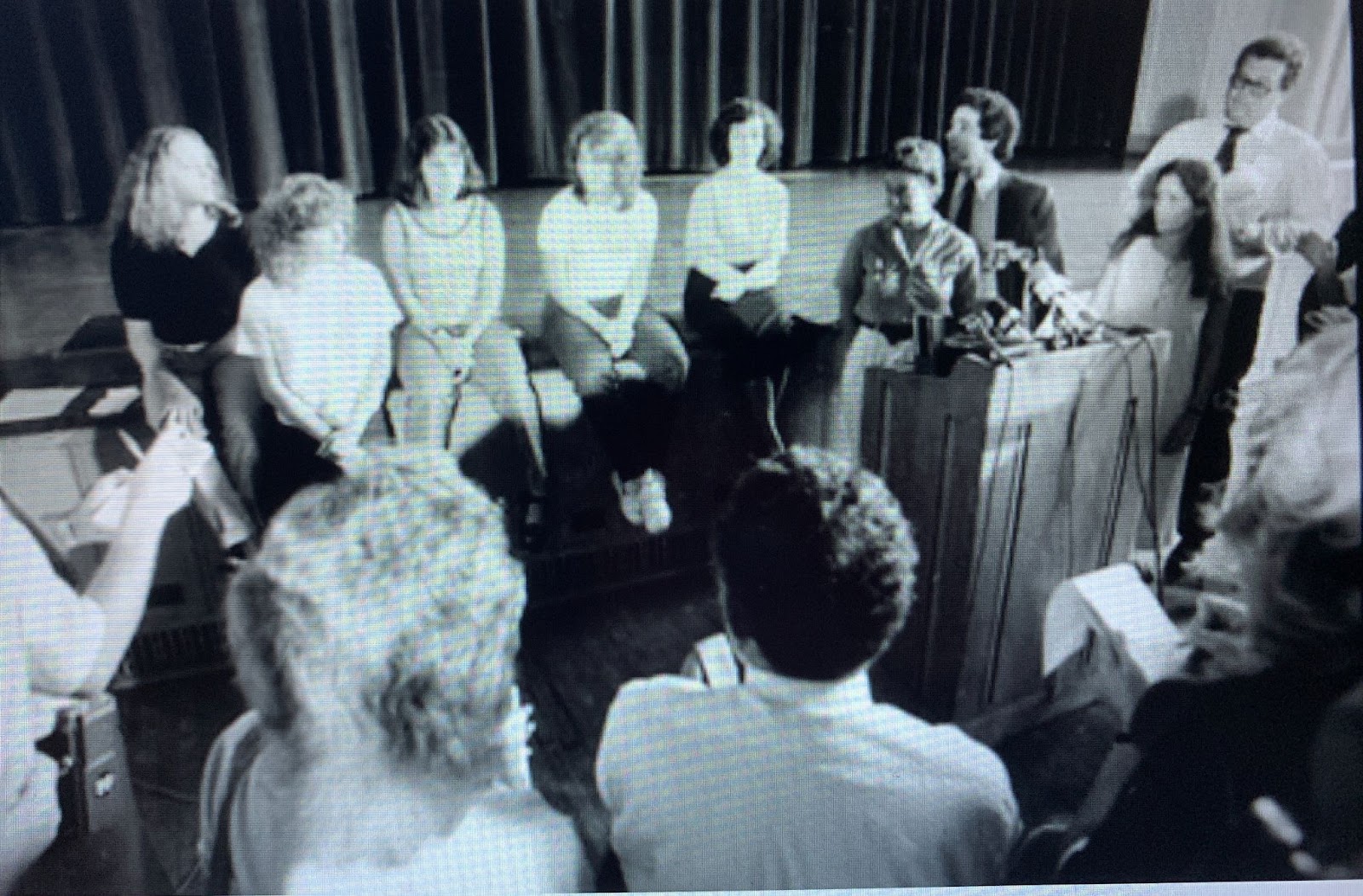
After a heavily publicized saga, the girls won their lawsuit. It was official; three more girls, Michele Hangley, Rachel Gafni, and Karen Seif would soon join them to become the first six girls at Central. A media frenzy ensued on the girl’s first day of school. Through their attorney, Arthur Bryant, the six said they were here for two reasons: one being to continue a tradition of excellence, and two, to end a tradition of sexual discrimination.
But the trouble did not end there. Much of the student body was opposed to the girls being there. The girls were verbally harassed and trash was thrown at them everyday. Teachers made it clear that they were not welcome in their class and would not allow them to take advanced math and science courses. The boys were also against the girls having a bathroom and ripped the sign labeled “GIRLS” off the bathroom door (which was saved as historical evidence and can be seen in the Barnwell Library to this day).
As the 40th anniversary of Central becoming co-ed approaches, we must remember the trials and tribulations these brave girls faced to lead the way for thousands more to come to Central. It is because of them that girls now roam the halls and make Central what it is today.
https://www.edweek.org/education/phila-courts-ruling-admits-girls-to-single-sex-h-s/1983/09
https://law.justia.com/cases/federal/appellate-courts/F2/532/880/99360/
Via No Girls Allowed




 Centralizer
Leave a comment